Home / Conditions / Arrhythmia
Arrhythmia
Reviewed by Dr. Ajay Kaul, M.Ch — Chairman, Cardiac Sciences, Fortis Noida · Updated August 2026
An irregular heartbeat — the heart beating too fast, too slow, or with an irregular pattern — caused by a disruption in the heart's normal electrical signalling. Some arrhythmias are harmless; others carry real risk and need treatment.
Common types of arrhythmia
Atrial fibrillation (AFib)
The most common sustained arrhythmia: the upper chambers beat fast and irregularly. Its biggest risk is stroke, because clots can form in the heart, so treatment focuses on blood thinners plus controlling the rate or rhythm.
Heart block
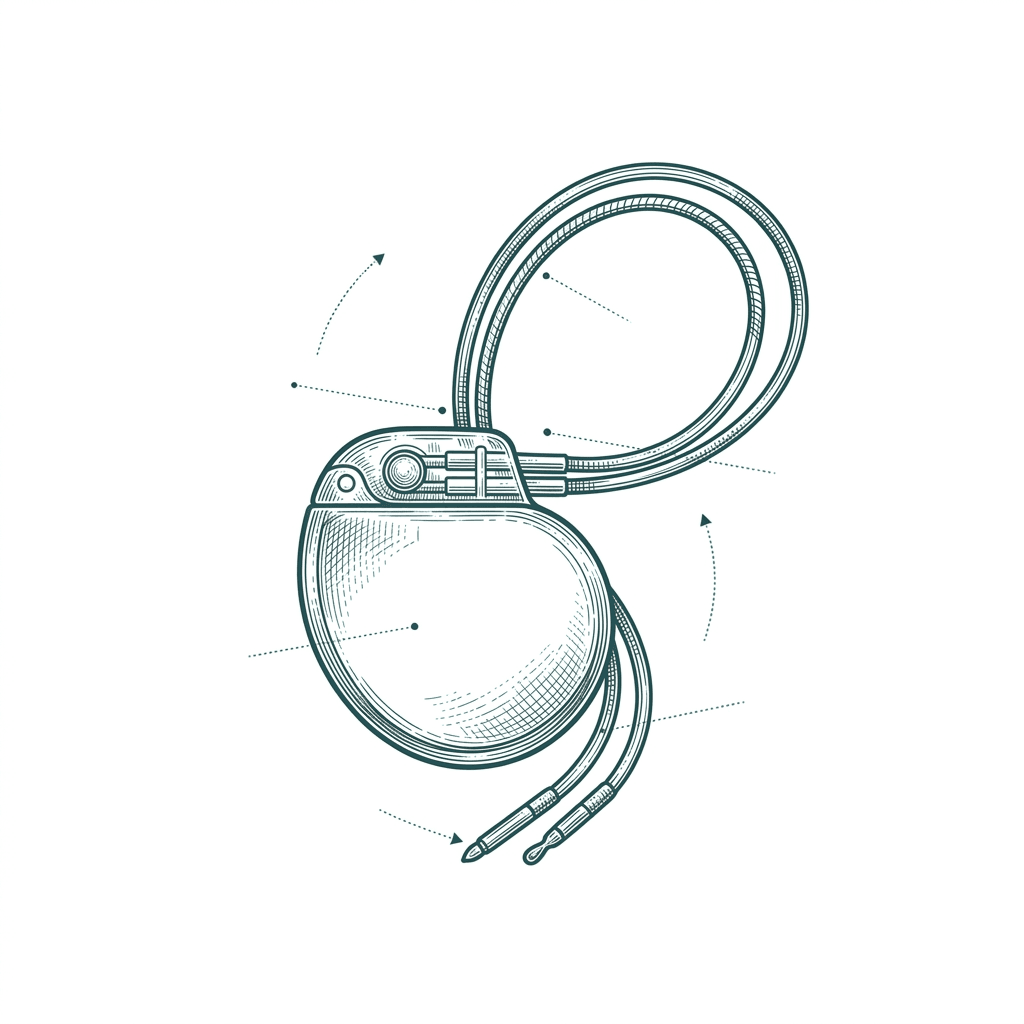
The electrical signal is delayed or blocked on its way from the upper to the lower chambers, slowing the heartbeat. Advanced heart block usually needs a pacemaker.
Supraventricular tachycardia (SVT)
Episodes of a sudden, fast but regular heartbeat starting above the ventricles. Often curable with catheter ablation after an EPS study.
Ventricular tachycardia (VT)
A fast rhythm starting in the lower chambers. It can be dangerous, particularly in a weakened heart, and is one of the main reasons an ICD is advised.
Symptoms
- Palpitations — a fluttering or racing feeling
- Dizziness or lightheadedness
- Breathlessness
- Fatigue
- Fainting or near-fainting, in more serious cases
- Sometimes no symptoms at all, found incidentally on an ECG
Causes & risk factors
- Coronary artery disease
- High blood pressure
- Heart valve disease
- Prior heart attacks
- Thyroid problems
- Electrolyte imbalances
- Certain medications, caffeine, or alcohol
- In some cases, no identifiable structural cause
How it’s diagnosed
- ECG — the primary test, though it may need to catch the rhythm in the act
- Holter monitor, a 24–48 hour continuous recording
- Event monitors, for less frequent episodes
- Echocardiogram, to check for an underlying structural cause
- Electrophysiology study, in selected complex cases
Treatment options
Treatment ranges from lifestyle changes and medication for milder arrhythmias, to catheter-based procedures that correct the electrical pathway causing the problem, to a pacemaker or AICD — depending on whether the heart is beating too slowly, or is at risk of a dangerous fast rhythm.
Common questions
No — many arrhythmias are harmless and simply monitored. Others carry real risk and need treatment. An ECG, and often a period of monitoring, determines which applies to you.
Not sure what your symptoms mean? Ask directly.
Send your reports, or describe what you’re experiencing — Dr. Kaul’s team will guide you to the right next step.