
The short answer
The cost of heart surgery depends mainly on four things: the operation itself, any valve or device implanted, the room category you choose, and how many days you spend in the ICU and hospital. Figures found online are rarely comparable, because each one includes different things. The only reliable number is a written estimate from the hospital, based on your own reports.
Families often ask for one number before they ask anything else, which is understandable. But two quotes for "bypass surgery" can differ widely simply because they include different things. This guide explains what moves the cost, how insurance usually works, and how to get a figure you can actually plan around.
The operation you need
A single-valve repair, a triple bypass, a redo operation and a congenital repair in a child are very different in operating time, team and equipment. Even within bypass surgery, using all-arterial grafts or a minimally invasive approach can change the cost. Until a surgeon has seen your angiography and echo, any figure is a guess.
Valves, devices and implants
Where an implant is involved, it is often the largest single item. Mechanical and tissue heart valves are priced differently, a TAVR (TAVI) valve costs considerably more than a surgical valve, and an ICD or CRT device costs more than a standard pacemaker. Coronary stent prices in India are capped by the government's National Pharmaceutical Pricing Authority (NPPA); heart valves and most other devices are not.
Room category
In many hospitals, the room you choose affects far more than the room charge: doctors' visits, procedure fees and some other charges are often billed at rates linked to the room category. A shared or twin-sharing room can lower the total bill noticeably. Ask the hospital how the room category changes the estimate before you decide.
ICU days and length of stay
Most planned operations involve a day or two in the cardiac ICU and several days on the ward. Older patients, people with diabetes, kidney or lung problems, and emergency operations often need longer, and every extra day adds to the bill. This is the part of the cost that is hardest to predict in advance.
What a package usually covers, and what it doesn't
Hospitals usually quote a package for a standard stay: the operation, a set number of ICU and ward days, routine medicines and tests. Extra ICU or ward days, blood products, additional procedures and treatment of complications are usually billed on top. Tests done before admission and medicines after discharge are often outside the package too. Ask for the inclusions in writing.
Insurance and cashless treatment
Most health insurance policies in India cover heart surgery, and cashless treatment is often possible at hospitals in the insurer's network. Check three things early: whether there is a waiting period for pre-existing heart conditions, whether your policy caps the room rent (choosing a costlier room can cut the amount the insurer pays across the whole bill), and whether devices or valves have a sub-limit. Government and employer schemes such as CGHS, ECHS and Ayushman Bharat (PM-JAY) cover cardiac surgery at empanelled hospitals; ask the hospital's insurance desk which schemes it accepts.
| Package quote | Itemised (open) billing | |
|---|---|---|
| How it's priced | A fixed amount for a standard stay | Every item charged as used |
| Predictability | Higher, if there are no complications | Lower until discharge |
| Extra days or complications | Usually billed on top of the package | Included in the running bill |
| Best for | Planned operations in stable patients | Complex or emergency cases |
Common questions
Because they rarely include the same things. Compare the room category, the number of ICU and ward days included, which valve or device is used, and what is billed outside the package.
Related procedures
Want a figure for your own case?
Send your reports for Dr. Kaul's opinion — the estimate follows from the treatment he recommends.
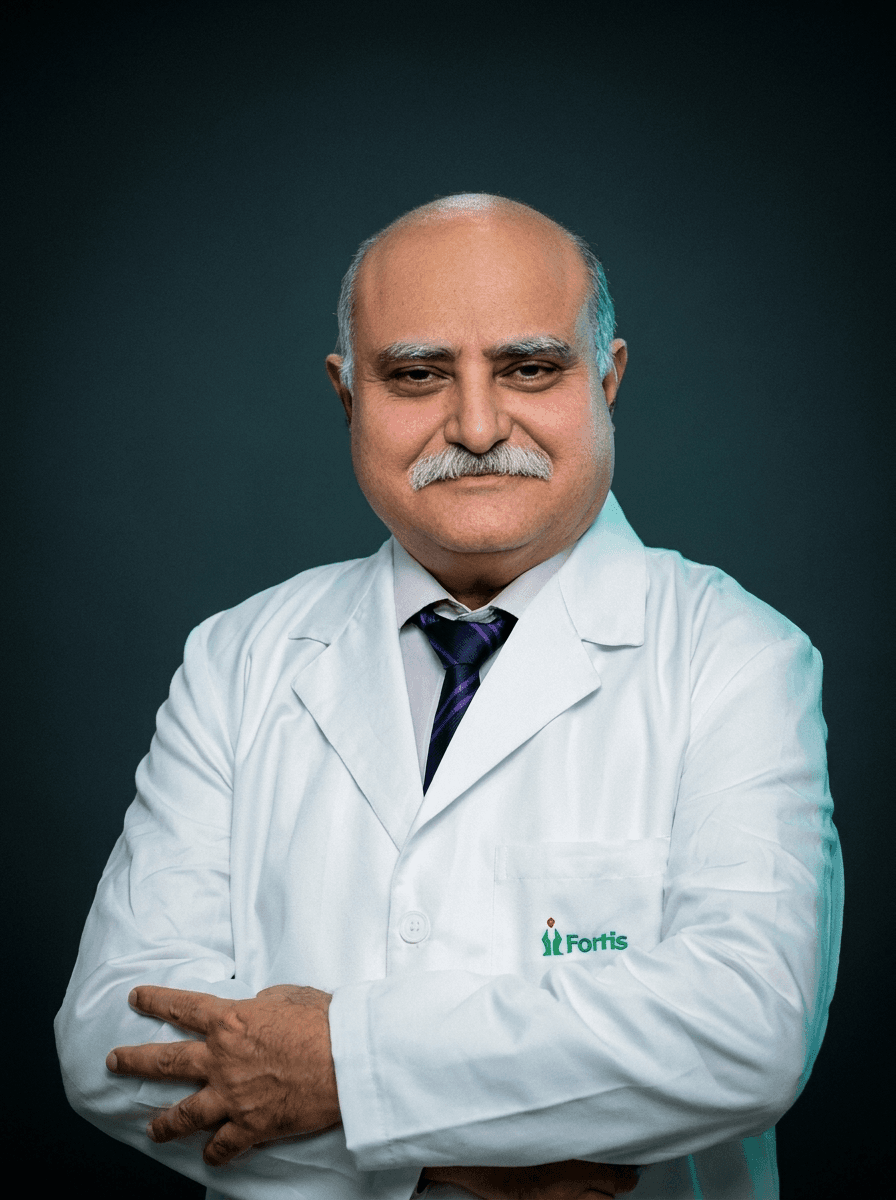
Medically reviewed by Dr. Ajay Kaul, M.Ch
Chairman, Cardiac Sciences, Fortis Noida · 38 years · 25,000+ surgeries